Cultural aspects and new trends in the use of spice blends
· Valerii Korolko · 7 min read
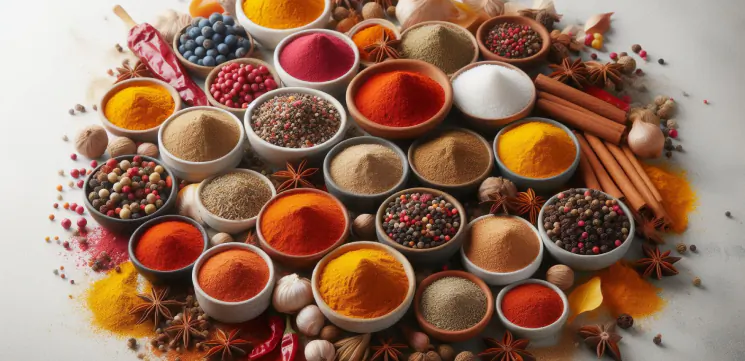
The Silk Road, stretching from the Mediterranean to China, was an ancient network of trade routes and facilitated the exchange of goods, ideas, cultures and cuisines. Cinnamon, pepper and cloves were among the valuable commodities transported along these routes. These exotic aromas captivated European tastes, stimulated intense demand and ultimately led to the Age of Discovery, when explorers such as Vasco da Gama and Christopher Columbus set out on risky voyages to gain direct access to these valuable goods.
In medieval Europe, spices were often more valuable than gold; they were used to preserve food, as currency and to indicate social status. They also played an important role in religious rituals and medicinal practices. The search for nutmeg, cloves and black pepper from the Moluccas (the land of spices – the "Spice Islands") provoked fierce competition between European states and influenced the course of world history.
The cultural significance of spices in different countries
Spices are an integral part of the culinary traditions of many cultures, reflecting their history, geography and social customs:
- India: The country's diverse culinary landscape is a tapestry of regional flavours, each with its own distinctive set of spices. Masalas (garam masala or sambar powder) hold a central place in Indian cuisine. They are passed down from generation to generation, and every family has its own secret recipe. Turmeric, cumin and coriander are flavour enhancers and have significant cultural and medicinal value in Ayurveda.
- Middle East: Middle Eastern cuisine is characterised by the use of aromatic types of spices and seasonings – cinnamon, cardamom and saffron. Moroccan tagines and Persian kebabs are rich in spice blends, which recall the region's history as a crossroads of trade and culture. Baharat or za'atar not only enhances flavour but also symbolises the region's rich culinary heritage.
- Mexico: chilli pepper, cumin and oregano are used to create bright and powerful flavours: mole or tacos reflect the country's indigenous heritage combined with Spanish influences, and a careful balance of heat and flavour is an integral part of the identity of its cuisine.
- China: The bold, fiery peppercorns of Sichuan cuisine contrast with the subtle use of star anise and cloves in Cantonese cuisine. These types of spices are deeply rooted in traditional Chinese medicine, reflecting the ancient Chinese philosophy of balance and harmony.
- North Africa: Ras el hanout and harissa are staples in cuisines from Morocco to Tunisia. Cinnamon, cumin and dried chilli tell the story of the region's interaction with various cultures through trade and colonisation.
Modern use of spices in cooking
The use of classic spices in the production of meat and dairy products will no longer surprise anyone. The following come to the fore:
- Fusion cuisine often relies on the creative addition of spices. Chefs combine traditional spice blends of one culture with ingredients of another, creating dishes that are familiar yet new at the same time. Combining Indian seasonings with Western cooking methods can give rise to new dishes: tandoori chicken pizza or pasta masala.
- Modern cooking sees the creation of new blends that satisfy global tastes. Berbere (Ethiopia) and dukkah (Egypt) have found their place in kitchens around the world, often adapted to local tastes. Their versatility and adaptability allow endless culinary experimentation.
- Spices are increasingly used in unexpected contexts: in desserts and drinks. Cardamom ice cream, chilli chocolate and turmeric latte are examples of traditional spices being reimagined in modern food and drink. This trend underlines a growing appreciation of the depth and complexity that spices bring to a wide range of culinary creations.
Health benefits of spices
- Antioxidant properties: turmeric and cinnamon are rich in antioxidants and fight oxidative stress in the body, which is linked to chronic diseases (heart disease and cancer). Curcumin, the active ingredient in turmeric, has been widely studied for its antioxidant and anti-inflammatory properties.
- Anti-inflammatory effects: ginger and garlic have long been used to reduce inflammation and treat inflammatory conditions, potentially lowering the risk of arthritis and cardiovascular disease.
- Digestive health: they aid digestion and relieve gastrointestinal problems. Fennel and caraway reduce bloating and gas. Cumin and coriander stimulate digestive enzymes, promoting better digestion and absorption of nutrients.
- Metabolic benefits: they improve insulin sensitivity and help control weight, and cinnamon helps lower blood sugar levels.
New trends in the use of spices
- Fusion and global flavours: The blending of culinary traditions from different cultures continues to gain popularity. This trend is evident in the growing number of fusion restaurants and the increased availability of international spice blends in grocery stores. As world cuisine becomes more accessible, people are more willing to experiment with spices from different cultures, creating a melting pot of flavours.
- There is a growing trend towards using spices in unconventional contexts: in sweets, drinks and even savoury snacks. Chocolate with spices, tea-flavoured desserts and spiced cocktails are becoming more common, highlighting a shift towards bolder and more varied flavour profiles.
- Demand is growing for spices known for their health benefits. Turmeric and ginger tea sell thanks to their antioxidant and anti-inflammatory properties.
- Sustainable and ethical sourcing: As consumers become increasingly aware of the environmental and social impact of their food choices, interest is growing in sustainably and ethically sourced spices. This trend is pushing the market towards more transparent supply chains and fair trade.
- Companies are developing innovative products that suit the modern lifestyle. From convenient spice blends designed for specific cuisines to single-use sachets of gourmet spices, these products make it easier for home cooks to discover new flavours.
Spices – are a cornerstone of human civilisation, shaping our cultural identity and culinary landscape for centuries. From their ancient roots along the Silk Road to modern applications in fusion cuisine and healthy eating, they continue to captivate and inspire. Looking to the future, the evolution of spice use promises to bring even more exciting flavours and innovative applications that reflect our ever-changing tastes and global influences. In the meantime, while we live in the present, the professional technologists of Prodservis will gladly help you choose the best variations of food ingredients for your current production tasks.
FAQ
What are spices?
Spices are aromatic or pungent substances of plant origin that are added to food to improve its flavour, aroma and colour. Spices can come from various parts of plants, such as seeds, roots, bark, fruits, flowers or leaves.
What types of spices are there?
The main types of spices and their origin:
Seeds: Coriander, cumin, mustard, fennel.
Roots and rhizomes: Ginger, turmeric.
Bark: Cinnamon, cassia.
Fruits: Pepper (black, white, green), cardamom, vanilla.
Flowers: Cloves, saffron.
Leaves: Bay leaf, rosemary, thyme.
In which fields are spices used?
Uses of spices:
Cooking: Spices are widely used to prepare various dishes, adding unique aromas and flavour nuances. For example, turmeric and saffron give dishes a bright colour, while coriander and fennel give a fresh and spicy aroma.
Preservation: Some spices, such as cloves, mustard and pepper, have antiseptic properties and are used to preserve food.
Medicine: Many spices have medicinal properties and are used in traditional medicine. For example, ginger helps with nausea, and turmeric has anti-inflammatory properties.
Cosmetics: Spices are used in the cosmetics industry to create aromatic products, masks and creams.
Spices play an important role in the culture and cuisine of many peoples of the world, giving food variety and richness of flavour.
Read also
- German technologist: what to produce tomorrow?
- Yoghurt production: from delicate texture to new product concepts with Prodservis
- European Insight: Tastes, Trends and New Products
- Marbled Beef Reimagined: Technology for Creating a Higher-Value Product
- Fertilisers for houseplants: how to choose and use them
