What types of yoghurt starter cultures are there, and which are the best?
· Maryna Petruk · 5 min read
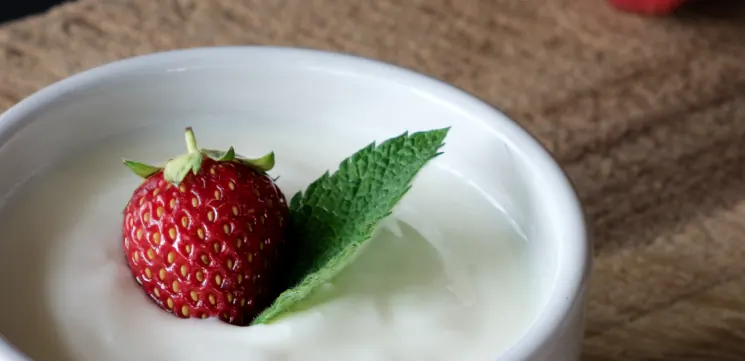
With the rise of the healthy eating trend, yoghurts have become one of the most popular products in many people's diets. But not all yoghurts are the same – the key to their quality and beneficial properties lies in using the right starter culture. In this article, the experts in certified food ingredients at Prodservis take a detailed look at the different types of yoghurt starter cultures and their characteristics.
Main Types of Starter Cultures
Yoghurt starter cultures can be classified by several criteria, based on their thermal properties and bacterial composition. The most common are:
- Thermophilic starter cultures: These cultures work best at higher temperatures, usually in the range of 42 to 45 degrees Celsius. They are responsible for classic, thick and creamy yoghurt. Thermophilic cultures are ideal for producing traditional Bulgarian and Greek yoghurts, giving them their characteristic texture and distinct lactic flavour.
- Mesophilic starter cultures: These cultures function effectively at moderate temperatures, from 26 to 38 degrees Celsius. They are often used to make thinner, drinking yoghurts and kefir-like products. Mesophilic cultures are ideal for making yoghurt at home, as they do not require special equipment to maintain a high temperature.
The choice between a thermophilic and a mesophilic culture depends on the desired type of yoghurt and its use. The managers of Prodservis, which specialises in supplying high-quality food ingredients, can help you choose the best starter culture for your specific production needs.
Bacteria Found in Starter Cultures
The composition of yoghurt starter cultures includes a variety of bacterial species, each of which makes its own unique contribution to the final product. The most common are:
- Lactobacillus bulgaricus: This bacterium is responsible for the sharp taste of yoghurt. It promotes the fermentation of lactose, converting it into lactic acid, which lowers the pH and gives yoghurt its characteristic sour taste.
- Streptococcus thermophilus: This microorganism gives yoghurt its softness and creaminess. It also promotes faster fermentation, interacting with Lactobacillus bulgaricus to achieve the optimal consistency and flavour.
- Bifidobacteria and Lactobacillus acidophilus: These bacteria are often added to enhance the beneficial properties of yoghurt, in particular to improve digestion. They are known for their probiotic properties, which support gut and immune system health.
In addition to these main species, starter cultures may contain other microorganisms, such as Lactobacillus casei and Lactobacillus rhamnosus. They can be used to add extra flavour nuances or to strengthen the beneficial properties of yoghurt. For example, Lactobacillus casei provides additional support for the immune system and gut health, while Lactobacillus rhamnosus is known for its ability to resist harmful bacteria in the digestive system.
Combinations of these bacteria and temperature regimes can create a variety of yoghurt flavours and textures, from light and fresh to thicker and creamier. The choice of a particular type of starter culture and set of bacteria is determined by the target characteristics of the yoghurt that the producer wants to achieve.
The Effect of Starter Cultures on Health
Yoghurts made with high-quality starter cultures can offer numerous health benefits. They help maintain healthy gut microflora, support good digestion and can boost the body's immune response. The presence of live and active cultures in yoghurts is important for ensuring maximum benefit, as these cultures help balance the bacteria in the gut and support overall health.
In addition, regular consumption of yoghurts made with high-quality starter cultures may help reduce the risk of developing certain chronic diseases, such as obesity, type 2 diabetes and cardiovascular disease. Products created with the bacteria found in these starter cultures affect metabolism and can help regulate weight. They also have anti-inflammatory properties, which may be useful in preventing and treating certain inflammatory bowel diseases, such as irritable bowel syndrome and Crohn's disease.
Additionally, some types of starter cultures are able to produce certain vitamins and minerals, in particular vitamins K and B12, which are vital for maintaining bone and nervous system health. Yoghurts also aid the absorption of calcium, which is especially important for preventing osteoporosis.
It is important to note that not all yoghurts are created equal. The concentration of live cultures can vary significantly depending on the manufacturer and the starter cultures used. Therefore, to get the maximum benefit, it is recommended to choose products from reliable brands that ensure the high quality of their starter cultures and of the final product.
At Prodservis, we strive to provide our customers with the best certified food ingredients, including high-quality yoghurt starter cultures. We believe that product quality begins with proven ingredients, and our mission is to ensure that every yoghurt made with our starter cultures is not only tasty but also good for your health. By choosing Prodservis, you choose a partner that ensures quality at every step of production.
FAQ
Do all yoghurts contain live and active bacterial cultures?
Not all yoghurts contain live bacterial cultures. To ensure live cultures are present, it is important to choose yoghurts whose packaging indicates the presence of active or probiotic cultures.
What is the difference between thermophilic and mesophilic starter cultures?
Thermophilic cultures are active at higher temperatures and are used to produce thick, creamy yoghurt, whereas mesophilic cultures work at moderate temperatures and are suitable for producing thinner, drinking yoghurts.
Do all yoghurts contain probiotics?
Not all yoghurts contain probiotics. Probiotic yoghurts must contain specific bacterial strains that remain active and alive in the final product. It is important to read labels and choose yoghurts that indicate the presence of probiotic cultures.
What beneficial properties do yoghurts made with high-quality starter cultures have?
Yoghurts made with high-quality starter cultures can promote gut health, support the immune system, improve digestion and even help prevent certain chronic diseases. They may also contain vitamins and minerals that are beneficial for overall health.
Read also
- German technologist: what to produce tomorrow?
- Yoghurt production: from delicate texture to new product concepts with Prodservis
- European Insight: Tastes, Trends and New Products
- Marbled Beef Reimagined: Technology for Creating a Higher-Value Product
- Fertilisers for houseplants: how to choose and use them
