How can natural food colourants transform your products?
· Oleksii Tovstenko · 5 min read
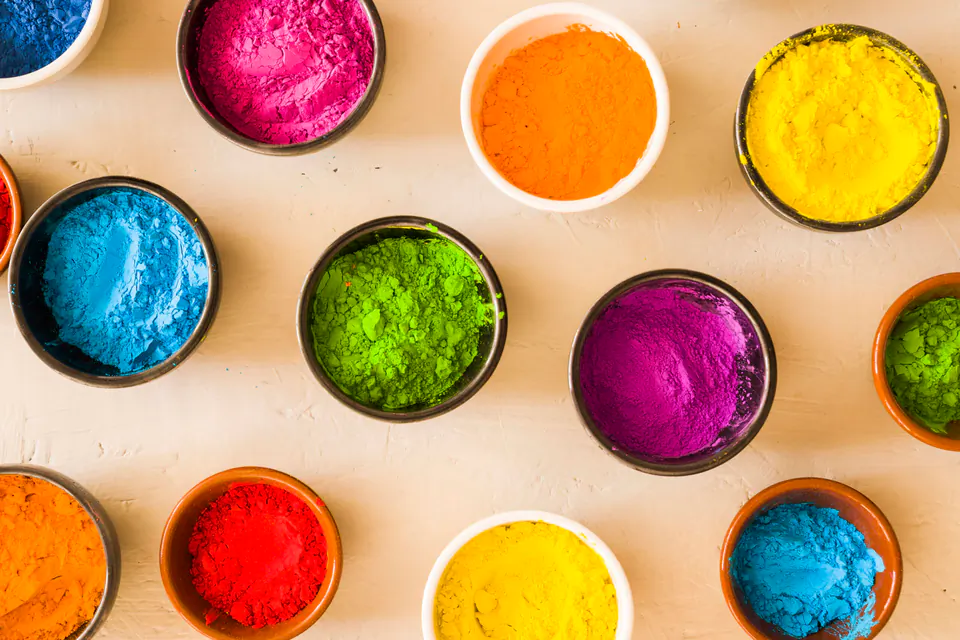
Prodservis, as a leading supplier of certified food ingredients, stresses the importance of integrating natural colourants into the production process.
Natural vs. synthetic colourants: which to choose?
In the food industry, the question of whether to use natural or synthetic colourants stands out as an important element of brand strategy, especially given consumers' growing attention to the composition of products and their impact on health. Natural colourants, obtained from fruits, vegetables, herbs and other natural sources, are becoming increasingly popular among manufacturers who seek not only to increase the trust and loyalty of their consumers, but also to underline their commitment to sustainable development and responsibility towards the environment.
Unlike synthetic colourants, which are often associated with potential health risks and may cause a negative reaction among some groups of consumers, natural colourants are considered a safer and more acceptable alternative. Their method of production, which often involves traditional extraction methods, additionally provides a positive marketing aspect, allowing brands to emphasise a "return to nature" as a key element of their offer.
In addition, natural colourants often have additional health-promoting properties, such as antioxidant, anti-inflammatory and other beneficial effects, which makes them not just safe to consume, but also potentially contributing to general well-being. Such an additional benefit can become a significant argument when choosing between natural and synthetic colourants, especially in the context of consumers' heightened interest in functional and healthy food products.
Therefore, the choice between natural and synthetic colourants is not limited to questions of safety and aesthetics alone. It is also a decision that reflects the deeper values of a brand, its commitment to consumer health and sustainable development, as well as a strategic vision of the future of the food industry. Taking these factors into account, natural colourants are a key element for brands that seek to take leading positions in a market oriented towards the health and well-being of consumers.
Benefits of natural colourants in your products
The use of natural food colourants plays a critical role in enhancing the visual appeal of products, giving them bright yet natural colours that attract consumers' attention. These colourants not only enrich a product with an attractive appearance, but also contribute to its perception as a healthier and more natural choice. The demand for products free from synthetic additives is growing, so the use of natural colourants is becoming a strategically important aspect for brands that value transparency and quality.
Besides improving appearance, natural colourants can also influence the perception of a product's taste qualities. Consumers often associate certain colours with specific flavours, and the use of natural colourants can help create a more expressive and desirable flavour profile. This allows a product to better meet consumer expectations and increase its competitiveness on the market.
Additionally, natural colourants can underline a brand's environmental and social responsibility. By using colourants obtained from sustainably grown and ethically sourced materials, companies can demonstrate their commitment to protecting the environment and supporting fair working conditions. This not only improves the brand's image, but also helps to form a deeper, emotional connection with consumers who share the values of sustainable development.
Moreover, many natural colourants contain antioxidants and other beneficial compounds that have a positive effect on health. Thus, integrating these colourants into products not only improves their appearance, but can also increase their nutritional value, giving consumers additional reasons to choose these particular products.
Taking the above into account, the use of natural food colourants in your products will not only improve their aesthetic and taste qualities, but can also positively affect the perception of the brand, underlining your commitment to quality, sustainability and consumer health.
Thus, integrating natural food colourants into production is a strategic step for brands that seek to increase the appeal of their products and support the health of their consumers. Prodservis is proud to support manufacturers in this endeavour, offering a wide range of certified natural ingredients that meet the highest standards of quality and safety.
FAQ
How do natural colourants differ from synthetic ones?
Natural colourants are made from natural components such as fruits, vegetables, herbs and minerals. They are considered safer and healthier alternatives to synthetic colourants, which are created chemically in laboratories and may contain components that cause allergic reactions or other undesirable effects.
Can natural colourants affect the taste of a product?
Yes, some natural colourants may have a slight effect on the taste of a product, depending on their source and concentration. However, this effect is usually minimal, and many manufacturers successfully balance colour and taste to meet consumer requirements.
How can the use of natural colourants affect my brand's image?
The use of natural colourants can improve the perception of your brand among consumers, underlining your commitment to health, sustainability and responsibility. It can help attract the attention of conscious consumers who are looking for products free from artificial additives.
Read also
- German technologist: what to produce tomorrow?
- Yoghurt production: from delicate texture to new product concepts with Prodservis
- European Insight: Tastes, Trends and New Products
- Marbled Beef Reimagined: Technology for Creating a Higher-Value Product
- Fertilisers for houseplants: how to choose and use them
