Artificial colourants (E124, E129): what producers need to know
· Oleksii Tovstenko · 5 min read
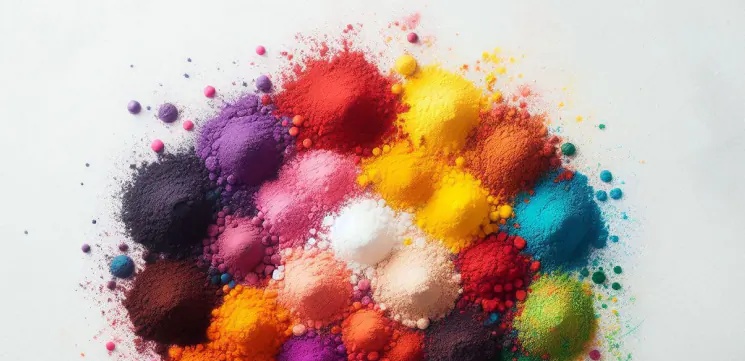
Ponceau, known as Cochineal Red A, is a synthetic red azo colourant. It is characterised by an intense red colour and good solubility in water, and is versatile across a range of applications: confectionery, beverages, dairy, bakery and processed food products, as well as cosmetics and pharmaceuticals. It is valued for its strong colouring power, heat stability and light resistance, and it ensures long-lasting colour in products.
Allura Red AC is another synthetic, bright red azo colourant. It predominates in soft drinks, sweets, gelatine desserts, sauces and snacks, and is also relevant in cosmetics and pharmaceuticals. It is chosen for its excellent solubility in water, stability across a wide pH range and resistance to heat and light, and it keeps its colour intact during processing and storage.
Benefits of using E124 and E129
- They guarantee bright, attractive colours that increase visual appeal for consumers.
- They are stable under various processing conditions, including high temperatures and exposure to light, and the colour remains stable throughout the shelf life.
- Synthetic colourants are affordable and cost-effective for large-scale production.
- Versatility: they dissolve easily, which allows them to be incorporated into a wide range of food matrices without affecting other characteristics of the product.
- They are approved in many regions.
Regulatory requirements and effects of E124 and E129 on the body
The use of artificial colourants is subject to strict regulatory oversight to ensure consumer safety. The regulatory framework differs from country to country:
European Union
– E124 is permitted, but the maximum permitted levels (MPLs) must be observed. The European Food Safety Authority (EFSA) has set the acceptable daily intake (ADI) at 0.7 mg/kg of body weight.
– E129: permitted with a specified limit (7 mg/kg of body weight).
Products containing these colourants must carry appropriate labelling, including a warning about the potential effect on the activity and attention of children.
United States of America
– Ponceau 4R is banned by the US Food and Drug Administration (FDA) over concerns about potential carcinogenicity.
– Allura Red AC is approved by the FDA and widely used in the US food industry. The FDA sets strict rules for its use and labelling requirements.
Other regions
– Canada: Allura Red AC is permitted, but Ponceau 4R is banned.
– Australia and New Zealand: E124 and E129 are permitted, but must comply with the Food Standards Code, which regulates their usage levels and labelling.
Innovations in alternatives to artificial colourants
The food industry is moving towards natural and safe alternatives to artificial colourants, driven by growing consumer demand for clean-label products and regulatory pressure.
- Natural colourants obtained from plants, fruits and vegetables (beetroot red, turmeric and spirulina) are becoming increasingly popular. They are perceived as healthy and safe, although they often cost more and may present problems with colour stability and intensity.
- Advances in biotechnology have made it possible to produce natural colourants through fermentation processes.
- To improve stability, encapsulation technologies are being developed to protect colour compounds from environmental factors, extending their shelf life and colour stability.
- Hybrid approaches combining natural and synthetic elements are currently being explored to achieve the desired colour properties while addressing safety and regulatory concerns.
E124 and E129 remain popular with producers thanks to their bright colours, stability and cost-effectiveness. However, it is very important to take into account regulatory requirements and consumer preferences. As the industry develops, there is a growing need to balance these factors and keep up with innovations in natural and synthetic colourants in order to meet market demands and regulatory standards.
By understanding the pros and cons associated with E124 and E129, as well as new trends, businesses can make informed decisions about their use and potential alternatives in recipes. For its part, Prodservis offers only high-quality ingredients to ensure the best result. Our range of food colourants from well-known European manufacturers will help standardise your products and make them more attractive to consumers.
FAQ
Which colourants are called artificial?
Artificial colourants are chemical compounds synthesised under laboratory conditions and used to give colour to food products, cosmetics, textiles and other goods. They are not of natural origin and are made from various synthetic materials.
What characteristics do artificial colourants have?
The main characteristics of artificial colourants:
Chemical synthesis: They are produced by chemical reactions and do not occur in nature.
Stability: Artificial colourants generally have high colour stability and do not change their properties under the influence of light, temperature or acidity.
Colour intensity: They provide bright, saturated colours, often more intense than natural colourants.
Variety of shades: A wide range of colours and shades can be created.
Which food products are artificial colourants used in?
Artificial colourants are used in the production of a variety of food products to give them an attractive colour. Here are some of them:
Confectionery: Sweets, chewing gum, marmalade, lollipops, chocolate products with coloured fillings.
Beverages: Carbonated soft drinks, fruit juices, energy drinks, alcoholic cocktails.
Dairy products: Yoghurts, ice cream, curd snacks, fruit and chocolate milk drinks.
Baked goods and desserts: Cakes, pastries, puddings, jellies, glazes and decorations for baked goods.
Snacks: Potato crisps, corn sticks, crackers, croutons.
Sauces and seasonings: Ketchup, mayonnaise, mustard, various sauces and gravies.
Cereal products: Breakfast cereals, muesli, cereal bars.
Meat products: Sausages, frankfurters, smoked meats, delicacy meat products.
Canned products: Canned fruit and vegetables, jams, preserves.
Ready meals: Frozen and semi-finished products, instant soups, instant noodles.
Read also
- German technologist: what to produce tomorrow?
- Yoghurt production: from delicate texture to new product concepts with Prodservis
- European Insight: Tastes, Trends and New Products
- Marbled Beef Reimagined: Technology for Creating a Higher-Value Product
- Fertilisers for houseplants: how to choose and use them
