What is alternative meat?
· Valerii Korolko · 4 min read
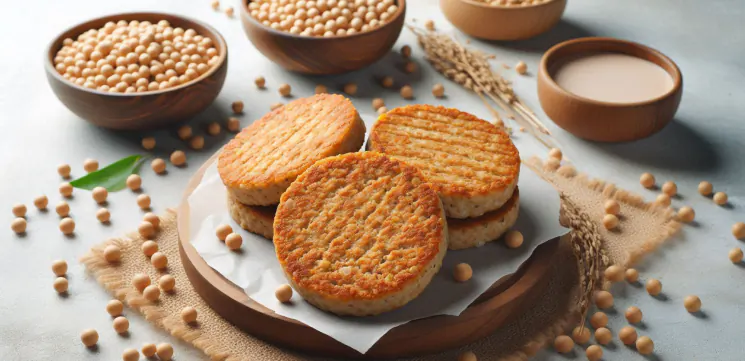
What is alternative meat and why has it become popular?
Alternative meat is a wide range of products designed to imitate the taste, texture and appearance of animal meat. They can be made from various sources, including plants, fungi and even cultivated animal cells.
Vegan meat is made from plant-based products (soy, peas, wheat, mushrooms) that imitate the taste, texture and appearance of traditional meat. It is an excellent choice for vegans, vegetarians and anyone who wants to reduce their consumption of animal-based food for environmental or ethical reasons.
The main types of alternative meat
A source of plant-based meat – proteins of soy, peas, wheat, etc.:
– Soybeans are processed into textured protein (and tofu), which is then formed into cutlets, mince, etc.
– Pea protein is an excellent source of protein and has a neutral taste.
– Wheat protein is used for products with a softer, seitan-based texture.
– Some manufacturers use combinations or experiment with new ingredients, such as coconut milk or algae.
– Mushrooms have a unique taste and texture, are low in calories, and are rich in fibre and other beneficial substances.
Cultivated meat is produced from animal cells grown in bioreactors. This makes it possible to obtain a product without the need to breed and slaughter animals. It is identical in composition to traditional meat, but without the ethical problems.
3D printing technology is an innovative approach that makes it possible to create products that are practically indistinguishable from natural meat in taste and texture.
The 3D printing process includes several stages:
- Creating bio-ink: A special ink is made from plant proteins, fats and other ingredients to imitate the structure and taste.
- 3D modelling: A digital model is created that takes into account all the desired characteristics: size, shape and degree of searing.
- Printing: The 3D printer forms the product layer by layer from bio-inks, creating a complex structure similar to natural meat.
- Processing: The resulting product undergoes additional processing, such as frying or smoking, to give it a more pronounced taste and aroma.
Advantages of 3D printing:
– it requires significantly fewer resources and does not harm the environment.
– it contains no cholesterol or other harmful substances, which makes it a healthier option.
– it is possible to create products with individual characteristics, taking into account the preferences of each consumer.
– it is cost-effective in the long term.
How is alternative meat made?
The production process may vary but, in general, includes the following stages:
- Protein extraction: protein is extracted from plant sources.
- Protein processing: it is subjected to various treatments to create the desired texture and structure.
- Adding flavourings and other ingredients: spices, vegetables, fats and other components are added to give flavour and colour.
- Forming: the resulting mass is formed into cutlets, mince, sausages, etc.
Environmental and ethical benefits of alternative meat
– it offers a more environmentally friendly alternative.
– it makes it possible to eliminate the consumption of animal meat.
– it is a healthier option, especially if it is rich in fibre and other beneficial substances.
– modern technologies make it possible to create plant-based meat with a very realistic taste and texture. This opens up new possibilities for cooking and satisfies the needs of even the most demanding gourmets.
– the pressure on pastures and forests is reduced, which helps to preserve biodiversity.
– there is no cruelty to animals.
Taste and nutritional value
Modern technologies make it possible to create plant-based meat with very realistic organoleptic characteristics. Many people note that they cannot tell it apart from traditional meat. In terms of nutritional value, it is a good source of protein, iron and other important nutrients; it usually contains less saturated fat and cholesterol and is enriched with beneficial substances. However, the composition varies depending on the specific product, so it is important to study the labels and keep an eye on the balance of nutrients in your diet.
FAQ
How does alternative meat differ from traditional meat?
Alternative meat contains no animal protein, antibiotics or growth hormones, consists of plant-based ingredients, and has a lower content of saturated fats and cholesterol.
Is it safe to eat alternative meat?
Yes, eating alternative meat is considered safe for health, especially for those who suffer from cardiovascular diseases or have elevated cholesterol levels.
Which type of alternative meat is the most popular on the market?
Soy-based vegan meat. However, the range is constantly expanding, and new interesting options are appearing.
Is alternative meat suitable for people with allergies or dietary restrictions?
Most types of vegan meat are suitable for people with lactose and casein allergies. However, you should always study the product composition carefully, especially if you have other food allergies or intolerances.
Read also
- German technologist: what to produce tomorrow?
- Yoghurt production: from delicate texture to new product concepts with Prodservis
- European Insight: Tastes, Trends and New Products
- Marbled Beef Reimagined: Technology for Creating a Higher-Value Product
- Fertilisers for houseplants: how to choose and use them
