Innovative food additives: what to expect in the industry in 2025
· Oleksii Tovstenko · 6 min read
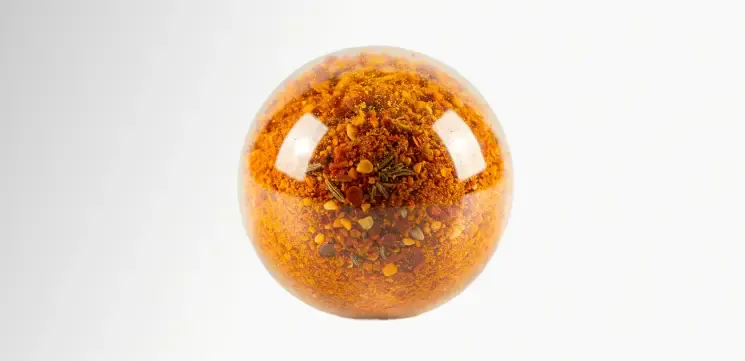
What are food additives and what are they used for? What types of food additives are there? Which food additives optimise your production process?
Food additives are substances used in the food industry to improve the organoleptic properties of a product (flavour, aroma, colour, texture), extend its shelf life, facilitate production processes and so on. High-quality certified food additives are used to standardise products, reduce production costs, widen the range and more. Food additives are classified by function: preservatives, antioxidants, stabilisers, emulsifiers, thickeners, sweeteners, colourants, flavourings and so on. Today, food additives in food products are an indispensable component for creating truly high-quality and competitive goods, especially food additives for the meat processing industry and food additives for the dairy processing industry.
Food additive development trends in 2025
In a new and changeable world it is extremely difficult to track or predict any events, but let us speculate about possible ways the food ingredients market may develop from 2025. In our opinion, there will be a significant shift towards "clean label" and "natural" additives. Fewer artificial colourants and flavourings, more extracts from fruit, vegetables and even algae. Personalisation is also a key factor. We will likely see more additives developed for specific dietary needs, such as gluten-free stabilisers or additives that increase nutritional value for particular age groups. Sustainability is another driving force. Manufacturers are looking for environmentally friendly production methods and biodegradable packaging for additives. Finally, we will see more multifunctional additives, meaning that a single additive will be able to act, for example, as a colourant, a stabiliser and even a flavour enhancer, which simplifies the production process.
The latest technologies in food additive production
Food additives are added to food to improve its organoleptic properties. Biotechnology is revolutionising additive production. This includes the use of microorganisms to produce ingredients through fermentation, and nanotechnology that makes it possible to encapsulate additives for better delivery and controlled release, increasing their effectiveness and shelf life. Precision fermentation is another interesting area, where we can engineer microorganisms to produce specific molecules, including rare or expensive additives, in a more sustainable and cost-effective way.
- Nanotechnology: opens up new possibilities for creating food additives with unique properties. For example, nanoparticles can be used to improve the solubility, digestibility and effectiveness of additives.
- Biosynthesis will make it possible to obtain food additives using microorganisms. This method is more environmentally friendly and more cost-effective than traditional production methods.
- Encapsulation is a technology that protects food additives from external factors such as temperature, light and oxygen, ensuring that the beneficial properties of the additives are preserved for a long time.
- The development of 3D printing technology will make it possible to create complex, individualised dishes, vertical farming will enable fresh produce to be grown in urban conditions, and alternative proteins will become an important part of many people's diets.
Changing consumer requirements
Consumers are becoming better informed and more demanding. Naturalness, transparency, safety and benefit are the four pillars on which the market of the future will rest. Customers study labels carefully and want to know exactly what is in their food. They look for natural, recognisable ingredients and are wary of artificial additives. There is also growing demand for additives that increase the nutritional value of food, such as the addition of fibre or vitamins. Transparency is crucial. Consumers want clear and honest labelling and want to trust the brands they buy. Growing awareness of food additives and their effect on the human body and of the impact of the food industry on the environment is encouraging the adoption of environmentally friendly production technologies, reduced use of plastic and a transition to renewable energy sources.
Customers have become more open to new flavours and product formats. Plant-based food, low-sugar products and gluten-free products have grown in popularity. Data analysis and artificial intelligence technologies help to create personalised food products and dietary recommendations based on consumers' genetic data, lifestyle and individual needs. This will stimulate the emergence of new products, such as personalised vitamin complexes, drinks and ready meals designed to meet each person's specific needs.
Manufacturers, for their part, are trying to adapt quickly to these changes by offering a wide range of products that meet different needs and preferences, including developing new types of packaging made from biodegradable materials, as well as products with a smaller carbon footprint.
Regulation and certification
Rules are constantly changing to keep pace with new technologies. In future we expect stricter rules on the safety and labelling of food additives. More attention will be paid to traceability, meaning that we will be able to trace an additive from its source to the final product. Certification schemes for environmentally friendly and ethically sourced additives are likely to become more widespread. The harmonisation of rules between countries is also a trend, making it easier for companies to trade globally.
How innovation will affect the industry
In our opinion, innovation will lead to a wider range of healthier and more environmentally friendly food products. We will see products with improved flavour, texture and nutritional profile, all thanks to innovative additives. The food industry will become more efficient and resource-saving thanks to advances in additive production and multifunctional additives. Smaller companies will be able to compete with larger ones by using innovative and specialised additives. However, there will also be challenges, such as ensuring the safety of new additives.
Conclusions: industry prospects
So, we have looked at what food additives are and the prospects for this area. The future of the food additives industry looks bright. We hope that innovation will contribute to the development of healthier, more environmentally friendly and more functional additives. As consumer demand for clean labels and natural ingredients grows, the industry will continue to adapt and innovate. We can expect exciting new developments in the coming years, leading to a wider range of food products that are both tasty and nutritious.
Where to buy food additives in Ukraine?
Need to buy food additives? The answer to this question is quite simple: contact our managers in whichever way is convenient for you to receive extended consultation on any issues that concern you! Together with our specialist technologists (with more than 20 years of production experience) you can improve your recipes, optimise production processes and create a highly competitive product that will noticeably stand out on the market.
Read also
- German technologist: what to produce tomorrow?
- Yoghurt production: from delicate texture to new product concepts with Prodservis
- European Insight: Tastes, Trends and New Products
- Marbled Beef Reimagined: Technology for Creating a Higher-Value Product
- Fertilisers for houseplants: how to choose and use them
