What to feed trees with in spring: simple tips for your orchard
· Valerii Korolko · 4 min read
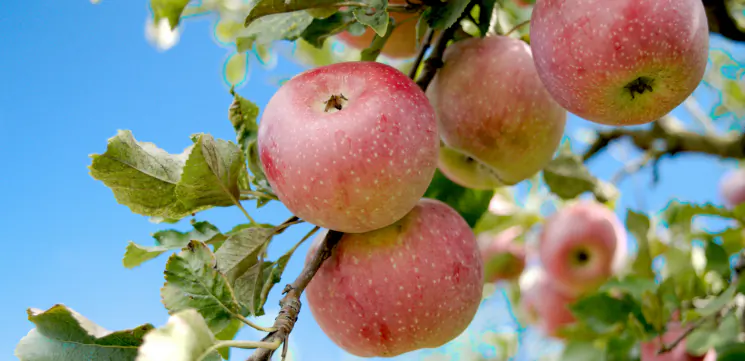
In spring, trees come out of winter dormancy and begin to grow actively, forming leaves and flowers, and then fruit set. At this time they need strength more than ever, and the gardener's task is to support the plants in good time.
Why feed trees in spring: the role of spring nutrition
Spring is the start of a new gardening season. For trees, this period is a real marathon: waking up after winter, developing the root system, growing new shoots, flowering, and later forming fruit. If a plant lacks nutrients at the beginning of the season, it may drop its fruit set or give a small and tasteless harvest.
This is especially important for old trees, which already have a demanding "schedule", and for young saplings, which are only just building their vitality. Spring feeding is not a luxury but basic support that determines the whole coming season.
What to feed fruiting trees with in spring for a good harvest
Imagine a tree as a person after a long winter – it is tired and exhausted, and needs a charge of energy. Here is what is worth feeding it with:
Nitrogen – to kick-start growth. It is responsible for new shoots, fresh leaves and overall vigour. But it is important not to overdo it: if you give too much, you get lush foliage rather than fruit.
Phosphorus – this element works in depth: it strengthens the roots and helps lay down flowers and future fruit. It seems inconspicuous, but it is critically important.
Potassium – the master of fruit. It makes fruit tasty, juicy and resistant to disease. It also helps the tree cope better with stress, such as spring heat or late frosts.
Microelements are like vitamins: boron, zinc, manganese and iron are needed in tiny amounts, but without them the tree seems to lose its tone.
You do not need to invent anything – there are options proven over the years:
Ammonium nitrate is a classic of spring feeding.
Superphosphate provides phosphorus.
Potassium sulphate or wood ash – for potassium. Potassium salt will also do, but it is somewhat harsher on the soil. Ash can simply be scattered under the tree – it also helps against pests.
When applying fertilisers, it is important to take into account the condition of the tree, the soil type and moisture!
Natural feeds for fruit trees
For those who want to do everything as naturally as possible, there are excellent organic options. What to feed fruit trees with in spring if you do not want to use chemicals?
- Well-rotted manure – gives strength for the whole season.
- Compost – feeds gently and improves soil structure.
- Wood ash – contains potassium, calcium and microelements.
- Nettle or manure infusion – a natural elixir.
This is not only feeding but also care for the soil. Organic matter promotes the development of beneficial microflora, retains moisture better and creates a favourable environment for the roots.
How to care for young trees in spring
When it comes to saplings or trees under 3 years old, you need to be particularly careful. Their roots are still tender, and overly aggressive fertilisers can do harm.
What to feed young trees with in spring? Humus or vermicompost are the best friends of a young tree. It is important to take into account the soil type (clay, sandy, chernozem), the amount of moisture and the characteristics of the variety. For example, dwarf apple trees do not need as many nutrients as large, tall trees.
Feeding conifers in spring is an important part of caring for evergreen beauties. For thujas, spruces, pines, firs and other conifers to look healthy, have a rich colour and grow well, they need nutrition after winter, when they are at their weakest. Conifers have somewhat different needs from deciduous or fruiting trees:
- Nitrogen (in moderate amounts) – stimulates the growth of new needles.
- Phosphorus – strengthens the root system.
- Potassium – boosts immunity and resistance to disease.
- Magnesium, iron, manganese – improve needle colour and prevent yellowing.
Common spring feeding mistakes and how to avoid them
Even with the best intentions, it is easy to make a mistake. The most common ones are:
- Too much nitrogen – the greenery grows, but there is little fruit or it does not set.
- Late application – once flowering has begun, some fertilisers no longer work.
- Ignoring soil moisture – fertilisers are not absorbed by dry soil.
- "Everything at once" – mixing incompatible fertilisers or overdosing.
For feeding to be truly effective, follow a simple rule: better less, but on time. And always observe the tree – it will tell you what it lacks.
Spring is a time of hope, renewal and new beginnings. Caring for your orchard right now lays the foundation for the autumn basket. So do not be lazy, choose the right feeding – and your trees will certainly thank you with a generous, tasty and healthy harvest. And the managers of Prodservis will help you choose the best fertilisers for your orchard.
Read also
- German technologist: what to produce tomorrow?
- Yoghurt production: from delicate texture to new product concepts with Prodservis
- European Insight: Tastes, Trends and New Products
- Marbled Beef Reimagined: Technology for Creating a Higher-Value Product
- Fertilisers for houseplants: how to choose and use them
